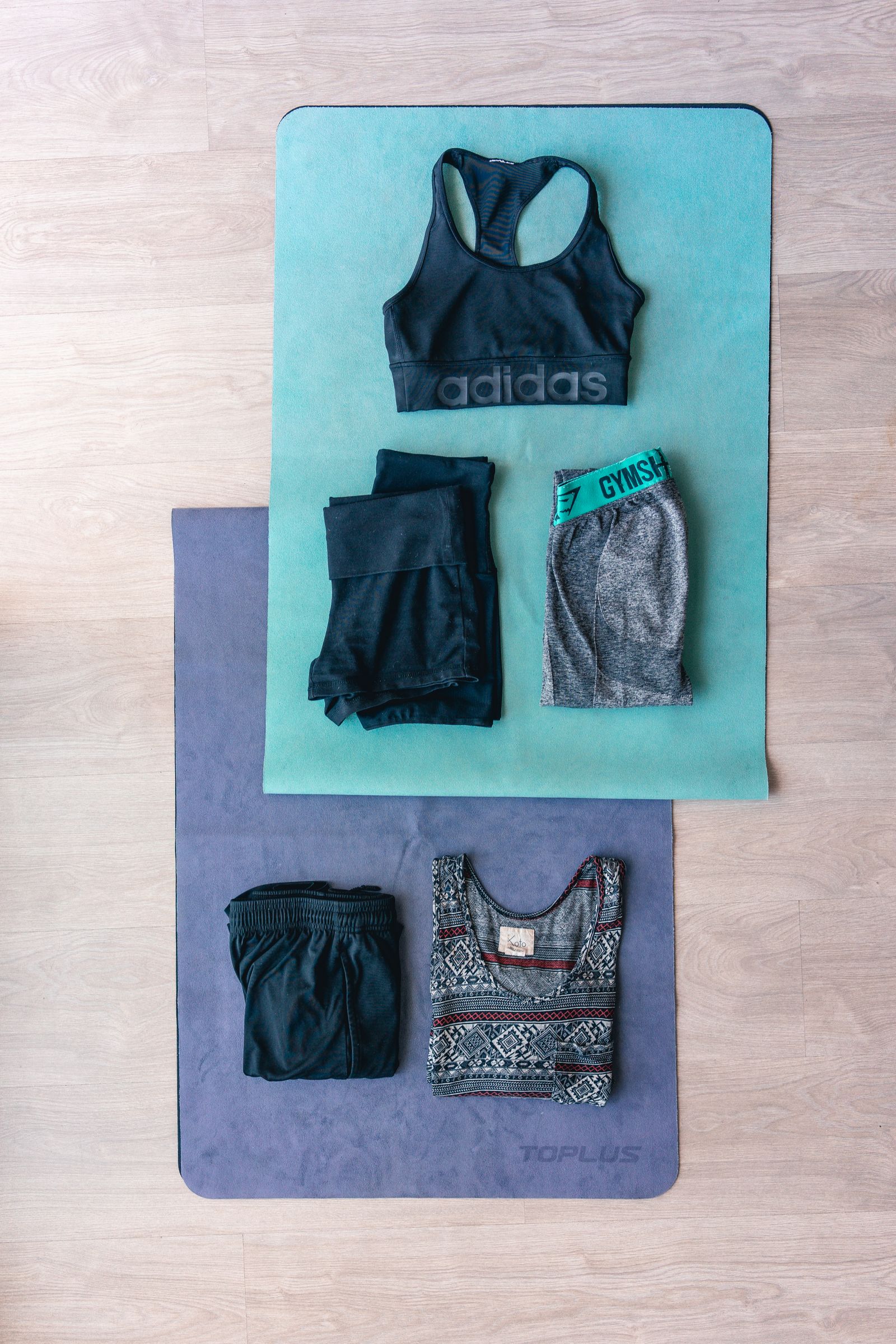
A pair of leggings that feels perfect under a barbell can be the wrong choice for a five-mile run, and the listings describe the difference if you know which fields to read.
This guide covers fabric, rise, inseam, and pockets, and how each maps to the two use cases.
What lifting leggings prioritize
- Thicker, more opaque fabric that holds shape through deep squats and hinges.
- A high rise with a wide waistband that stays put under load.
- A compressive, held-in feel rather than a loose one.
- Full length or 7/8 length is common; pockets are a bonus rather than the point.
What running leggings prioritize
- Lighter, faster-drying fabric that does not hold sweat.
- Pockets that can carry a phone without bouncing — often a rear zip and side drop-ins.
- Flat seams to reduce chafing over distance.
- Reflective details on listings intended for low light.
Fields to compare side by side
- Fabric composition and any stated moisture or four-way stretch technology.
- Rise: high, mid, or standard.
- Inseam length in inches.
- Pockets: number, placement, and whether any zip.
- Care instructions, since training leggings get washed constantly.
Can one pair do both?
Plenty of people train and run in the same pair. A mid-weight, high-rise legging with at least one secure pocket is the most versatile listing profile. If you mainly lift, prioritize opacity and waistband hold; if you mainly run, prioritize weight and pockets.
Compare Leggings side by side
Compare two leggings on fabric, rise, inseam, and pockets.
Frequently asked questions
- Are running leggings good for the gym?
- They work, but lighter running fabrics are generally less opaque and less compressive than leggings designed for lifting. Check the fabric and rise on the listing.
- What inseam should I choose?
- Inseam is a fit preference. Listings state it in inches — compare against a pair you already own rather than guessing from the size label.
About this guide. Written by Fitnos Editorial and last updated September 12, 2026. Fitnos organizes live retailer listings for comparison; we do not conduct lab or hands-on testing, and product facts on this site come from each retailer's listing. Nothing here is medical advice. Fitnos may earn a commission on qualifying purchases; as an Amazon Associate I earn from qualifying purchases.