
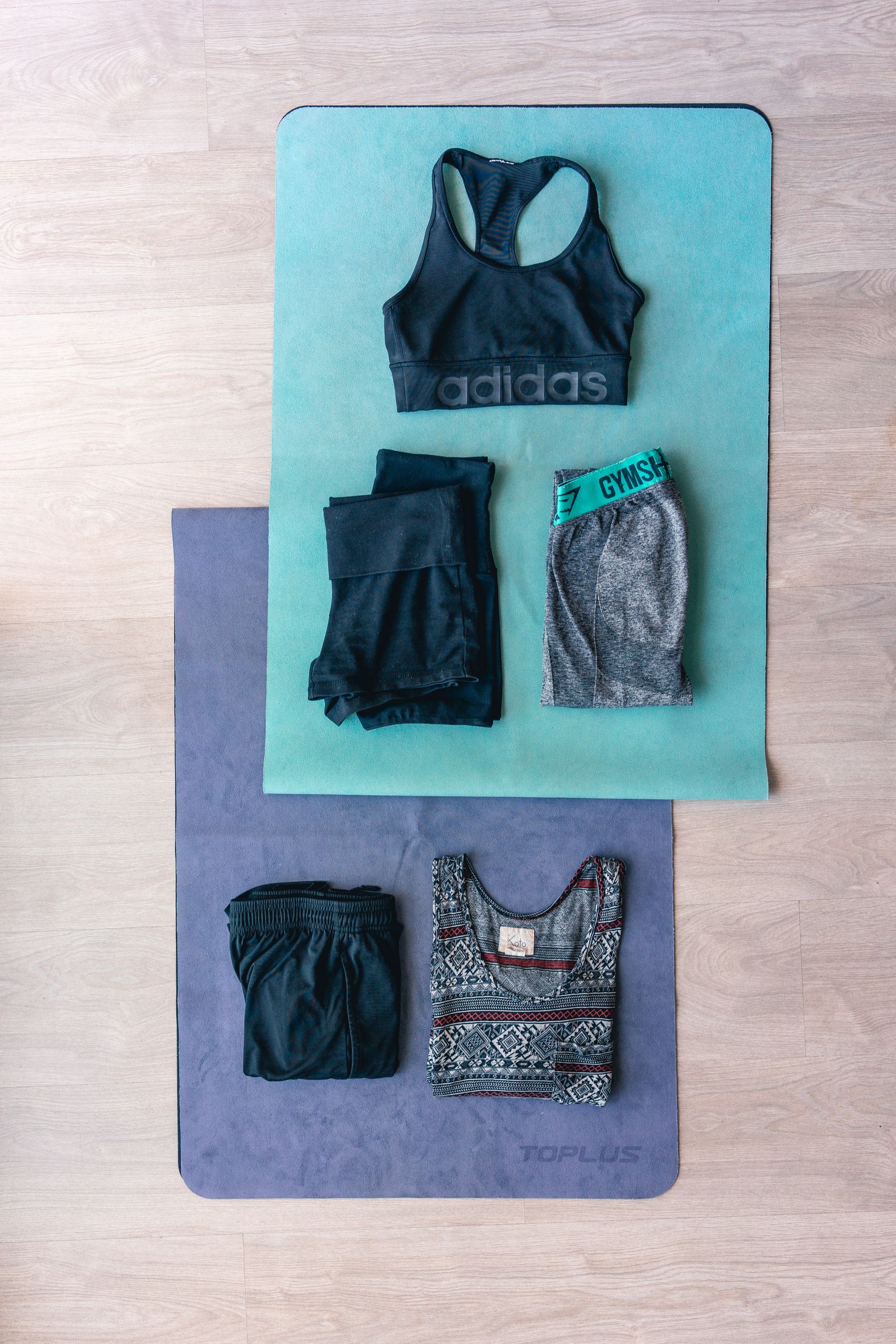
Shorts and joggers do a simple job: stay out of the way, manage sweat, and survive the wash. Where people go wrong is buying one style for everything — running shorts for squats, heavy joggers for hot cardio.
This guide explains fabric, inseam, liners, and fit so you can match bottoms to the way you train, with live options from brands such as Nike, Under Armour, Gymreapers, CRZ YOGA, and The Gym People.
Fabric
- Polyester and nylon blends: light, quick-drying, the default for running and hot sessions.
- Cotton blends: soft and breathable but slow to dry; fine for lifting, poor for sweaty cardio.
- Fleece and French terry: warm-up and cold-weather joggers.
- Stretch (elastane/spandex): important for squats, lunges, and anything deep.
Shorts: inseam and liner
Shorter inseams suit running and offer the most freedom of movement; mid-length inseams are the versatile gym choice; longer inseams provide coverage for lifting and classes. Lined shorts remove the need for separate underwear on runs; unlined shorts are more versatile for lifting and pair with your own base layer. Biker shorts, common in the women's range, provide compression and coverage for lifting and classes.
Joggers: taper, weight, and cuff
A tapered leg and elastic cuff keep fabric away from your feet under a bar. Lightweight woven joggers work for warm gyms and travel; fleece joggers for cold-weather warm-ups. Check for zip pockets if you carry keys or a phone during sessions.
Matching to sessions
- Running: light, lined, short-to-mid inseam.
- Lifting: stretch shorts or tapered joggers; nothing that binds at the hip in a squat.
- Classes and HIIT: mid-length, quick-drying, with secure pockets.
- Cold-weather outdoor: fleece joggers or a shell over shorts.
Mistakes to avoid
- Cotton shorts for a long, sweaty run.
- Loose, wide-leg joggers that catch under a barbell.
- Ignoring stretch when your program is squat-heavy.
Pick two or three shorts and compare listed details, price, and retailer in one view.
Frequently asked questions
- Lined or unlined shorts?
- Lined shorts are convenient for running. Unlined shorts are more versatile for lifting and let you choose your own base layer.
- Can I lift in running shorts?
- You can, but very short, light running shorts offer little coverage in deep squats. Mid-length stretch shorts are a better gym default.


