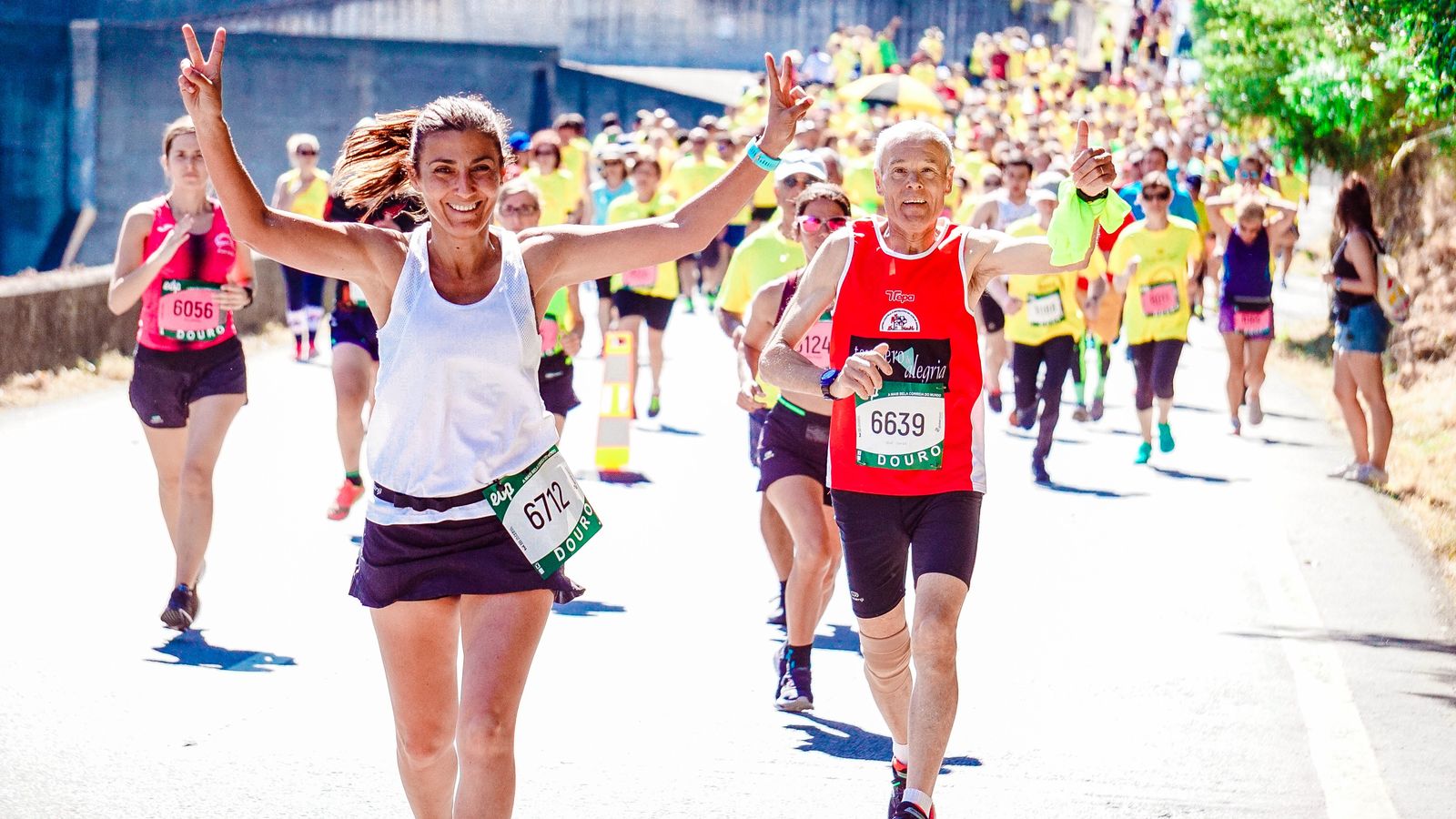
Short, moderate sessions need water and a normal meal beforehand. Long runs, rides, hikes, and multi-hour training days are different: sweat losses add up and stored energy runs down. Products exist for both problems, and they are not interchangeable.
This guide separates hydration from fuel, explains what each product type does, and shows how people commonly combine them.
Hydration: replacing fluid and sodium
Sweat is mostly water and sodium. For sessions over about an hour, in heat, or for heavy sweaters, an electrolyte mix in your water replaces sodium more effectively than water alone. Products range from zero-sugar, high-sodium packets to classic sports drinks with carbohydrate. See the electrolytes guide for label detail.
Fuel: replacing carbohydrate
Past roughly 60–90 minutes of sustained effort, many endurance athletes take in carbohydrate during the session. The formats differ in convenience and texture:
- Gels: concentrated, fast, easy to carry; some include caffeine or electrolytes.
- Chews: solid, easier to portion, slower to eat while moving.
- Sports drinks: fluid and carbohydrate together; simple but bulkier to carry.
- Real food: bananas, dates, and bars work for lower intensities.
Energy products and caffeine
Energy drinks and caffeinated gels provide a stimulant on top of (or instead of) carbohydrate. They are useful late in long efforts or for early sessions, but they are not fuel by themselves — check the carbohydrate content.
A simple framework
- Under 60 minutes: water; normal meals.
- 60–90 minutes, or hot: water plus an electrolyte mix.
- Over 90 minutes: electrolyte mix plus carbohydrate from gels, chews, or drink.
- Multiple sessions in a day: fuel and hydrate between sessions, not just during.
Mistakes to avoid
- Taking gels on a 30-minute run.
- Using a zero-carb electrolyte mix as "fuel" on a long ride.
- Stacking caffeinated gels with energy drinks and pre-workout without counting.
- Trying new products on race day.
Pick two or three electrolytes and compare listed details, price, and retailer in one view.
Frequently asked questions
- Do I need gels for a 5K?
- No. Sessions under an hour rarely need in-session fuel. Focus on a normal meal beforehand and water.
- Electrolytes or sports drink for a long run?
- Many runners carry an electrolyte mix for sodium and separate gels or chews for carbohydrate so they can adjust each independently. A carbohydrate sports drink combines both if you prefer simplicity.
- How much should I drink during training?
- Needs vary widely with sweat rate and conditions. Drink to thirst as a baseline and practice your plan in training.