A massage gun delivers rapid percussion to soft tissue. People use them for warm-ups, post-session routines, and taking the edge off tight areas. They do not replace sleep, nutrition, or sensible training loads — but they do lower the friction to a recovery habit.
This guide explains the specifications brands list, what they mean in use, how full-size and mini devices differ, and how to compare options in the Fitnos catalog.
The specifications that matter
Amplitude
How far the head travels with each stroke, listed in millimeters. Higher amplitude feels deeper and more percussive; lower amplitude feels more like vibration. Full-size devices tend to list higher amplitude than minis.
Stall force
How much pressure you can apply before the motor stalls. Higher stall force lets you press harder into large muscle groups. Most people do not need the maximum; check the listed value.
Speed range and attachments
Multiple speeds let you go gentle on sensitive areas and firmer on large muscles. Attachments — ball, flat, bullet, fork — change the feel; most people use one or two.
Noise and battery
Noise varies substantially between devices and matters if you use it while others sleep or watch TV. Battery life is listed by the brand and is usually ample for daily short sessions.
Full-size vs. mini
Full-size guns offer the deepest percussion and the longest reach for your own back. Mini guns fit in a gym bag, are quieter, and cover most day-to-day use. Many people who own both reach for the mini more often because it is where they are.
Massage gun vs. foam roller
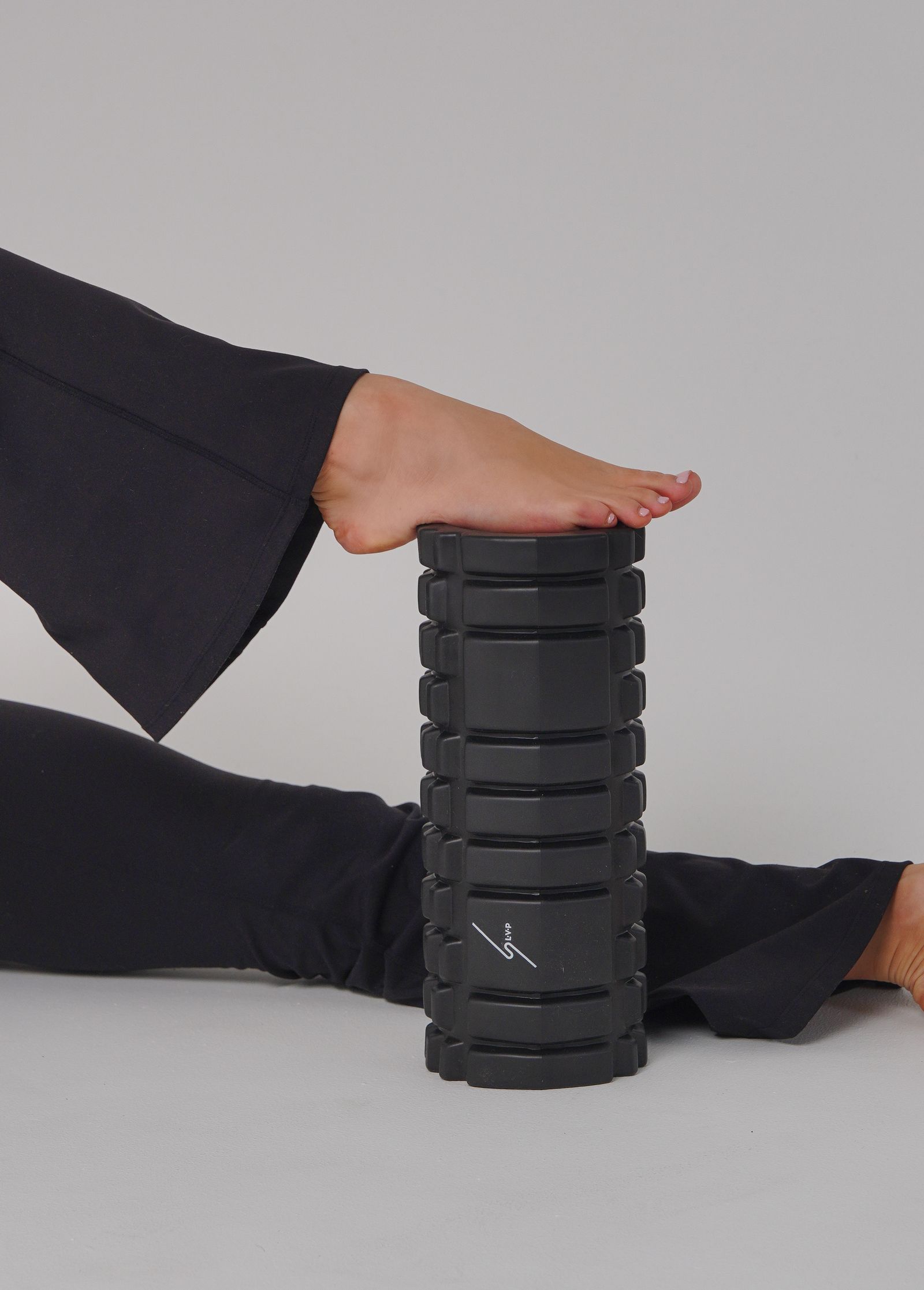
A foam roller covers broad areas cheaply and uses body weight for pressure. A massage gun is faster, more targeted, and easier on the neck and shoulders. Many people own both; if you are buying one recovery tool first, our recovery setup guide walks through the decision.
Mistakes to avoid
- Buying the largest device when a mini would live in your bag and get used daily.
- Comparing on maximum speed alone rather than amplitude and stall force.
- Ignoring noise when you will use it in a shared living room.
- Expecting it to fix a training-load or sleep problem.
Compare two or three massage guns to see listed amplitude, stall force, and battery side by side.
Frequently asked questions
- Is a mini massage gun powerful enough?
- For most day-to-day use on calves, quads, and shoulders, minis are adequate and more likely to be used. Full-size devices list higher amplitude and stall force for deeper work.
- How long should I use a massage gun per muscle?
- Follow the manufacturer's guidance. Most suggest short durations per area rather than prolonged use.
- Can I use a massage gun before training?
- Many people use short, light passes as part of a warm-up. Follow the device's instructions.